Outdoor Paradise
Petawawa sits at the meeting point of two major rivers, on the edge of the Canadian Shield, less than an hour from one of Ontario's most celebrated wilderness parks. If you chose where to live based purely on access to outdoor recreation, you would be hard-pressed to find a better spot anywhere in Eastern Ontario. The Ottawa Valley delivers four full seasons of adventure, and Petawawa is the basecamp for all of it.
The Ottawa River forms the town's northern boundary -- a massive, powerful waterway that has drawn paddlers, anglers, and river runners from across the continent. The Petawawa River enters from the southwest, flowing down from Algonquin Provincial Park through gorges and rapids that have been challenging canoeists for generations. Where the two rivers meet at Petawawa Point, you get sandy beaches, warm summer swimming, and sunsets that stop people mid-conversation.
Beyond the rivers, the landscape is classic Canadian Shield transitioning to Ottawa Valley lowland: granite outcrops, mixed forests of pine, maple, and birch, and hundreds of lakes within a short drive. The terrain changes with each season -- lush and green in summer, blazing with colour in fall, blanketed in snow through winter, and alive with rushing meltwater in spring. Each season brings its own set of activities, and people who live here tend to embrace all of them. You will meet residents who paddle in July, hunt in October, snowmobile in January, and fish through the ice in February without ever feeling like they have exhausted what the area offers.
This guide covers the major outdoor activities available in and around Petawawa, with enough detail to help you plan whether you are a seasoned outdoorsperson or someone who has never paddled a canoe. For information about parks and green spaces within town, see our Community Guide. If you are moving to the area and want the full picture, our Living in Petawawa guide covers everyday life beyond the trails.
Paddling & Water Sports
The Ottawa Valley is one of the premier paddling destinations in North America, and that is not local boosterism -- it is a statement that whitewater kayakers, canoeists, and rafters from around the world would confirm. Petawawa's position at the confluence of the Ottawa and Petawawa Rivers gives you direct access to both flatwater and whitewater paddling that ranges from gentle family outings to expert-level river running.
The Ottawa River
The Ottawa River between Pembroke and Beachburg -- roughly a 45-minute drive from Petawawa -- is home to some of the best commercially rafted whitewater in the world. The main sections run through a series of channels around Rocher Fendu and the surrounding islands, producing large-volume rapids in the Class III to Class IV range with names like Bus Eater, Lorne, Coliseum, and McCoy's Chute. Multiple outfitters run guided rafting trips through this stretch from May through September, and the experience is a must-do for anyone living in the area. Even if you have no prior whitewater experience, guided trips are designed to be accessible and safe while still delivering genuine thrills.
For experienced whitewater kayakers, the Ottawa River is a world-class freestyle and river running destination. Garburator, Push Button, and the Main Channel wave trains draw paddlers who travel specifically for these features. The river's high volume and relatively warm summer temperatures (by Canadian standards) make it forgiving enough for intermediate paddlers to push their skills while still offering moves that challenge experts. Several surf waves and play spots form at specific water levels, and the local paddling community tracks conditions closely through the season.
Closer to town, the Ottawa River offers excellent flatwater paddling. You can launch from Petawawa Point and paddle upstream along the shore, cross to the Quebec side on calm days (with appropriate caution -- the river is wide and current is always a factor), or simply enjoy a sunset paddle along the Petawawa waterfront. Stand-up paddleboarding has become increasingly popular on the calmer stretches, and the wide, scenic river is ideal for it.
The Petawawa River
The Petawawa River is a classic Canadian Shield canoe route that flows from the interior of Algonquin Provincial Park to the Ottawa River at Petawawa Point. The full river route covers roughly 80 kilometres and passes through a series of lakes, rapids, and portages that offer a genuine multi-day wilderness canoe trip. The lower sections closer to town include some technical whitewater, while the upper sections in and near Algonquin are more typical of backcountry canoe tripping -- lake paddling interspersed with portages and runnable rapids.
For local day trips, the lower Petawawa River from Black Bay to the mouth offers a mix of flatwater and moving water that is manageable for intermediate paddlers. The scenery is beautiful, with high banks, mixed forest, and the occasional glimpse of wildlife. This section is also popular with anglers who combine a paddle with some fishing along the way.
Swimming
Petawawa Point beach is the town's prime swimming spot and one of the best river beaches in the Ottawa Valley. The sand is fine and clean, the water warms up nicely by late June, and the shallow wading area near shore is ideal for young children. The beach is supervised during peak summer season, and the park surrounding it offers change rooms, picnic facilities, and a boat launch. On a hot July afternoon, the Point is where the entire community seems to converge, and for good reason -- it is a genuinely beautiful place to spend a summer day.
Fishing
The fishing around Petawawa is excellent and varied enough to keep dedicated anglers busy year-round. The Ottawa River is the main draw, but the Petawawa River, nearby lakes, and Algonquin Park all contribute to a regional fishery that covers everything from casual shore fishing to serious trophy hunting.
Ottawa River Fishing
The Ottawa River at Petawawa holds healthy populations of walleye, smallmouth bass, largemouth bass, northern pike, and muskie. Walleye fishing is particularly popular, with spring and fall being the prime seasons. The river's structure -- islands, shoals, current breaks, and deep channels -- creates diverse habitat, and experienced anglers who learn the water can find consistent action through the open-water season. Smallmouth bass fishing is outstanding from late May through September, with fish readily hitting both lures and live bait around rocky points and current seams.
Muskie fishing on the Ottawa has gained a national reputation. The river produces fish over 50 inches with enough regularity to attract dedicated muskie hunters from across Ontario and beyond. Fall is the prime season for trophy muskie, and serious anglers often fish from boats equipped for casting large lures along weed edges, rock structure, and current breaks. This is not casual fishing -- muskie demand patience, proper gear, and knowledge of the water -- but the Ottawa River rewards those who put in the time.
Pike fishing is productive throughout the season, with spring being particularly good as pike move into shallow bays and backwaters to spawn. The weedy bays and river channels around Petawawa hold pike that regularly exceed 30 inches, and they are among the most cooperative species for anglers who are new to the area.
Petawawa River and Nearby Lakes
The Petawawa River offers good fishing for smallmouth bass and walleye, particularly in the deeper pools and along structure in the lower river. The river sees less fishing pressure than the Ottawa, which can work in your favour. Several lakes within a 30- to 60-minute drive of Petawawa offer additional opportunities for bass, walleye, lake trout, and panfish. Popular nearby destinations include lakes in the Algonquin Park periphery and Crown land lakes accessible by logging roads south and west of town.
Ice Fishing
Winter does not end the fishing season -- it just changes the approach. Ice fishing on the Ottawa River is a well-established tradition in the Petawawa area, with walleye and pike being the primary targets. Once the ice is safe -- typically by mid-January, though conditions vary year to year -- huts and portable shelters appear on the river in popular spots. Some anglers set up semi-permanent huts with heaters and fish finders, making a full day on the ice surprisingly comfortable. Ice fishing is also popular on smaller lakes in the region, where lake trout and panfish add to the possibilities.
Licensing and Regulations
Fishing in Ontario requires an Outdoors Card and a fishing licence, both available online through the Ontario Ministry of Natural Resources and Forestry or at local outdoor retailers and Canadian Tire. Petawawa falls within Fisheries Management Zone 15 for the Ottawa River and Zone 15 for most nearby waters, though Algonquin Park has its own regulations. Season dates, catch limits, and size restrictions vary by species and zone, so check the current Ontario Fishing Regulations Summary before you head out. Conservation licences (with reduced catch limits) are also available for those who prefer to keep fewer fish.
Hiking & Trails
Hiking opportunities around Petawawa range from casual strolls on paved pathways to full-day backcountry treks in Algonquin Provincial Park. The terrain varies from flat riverside paths to rugged Canadian Shield trails with elevation changes, rock scrambles, and panoramic lookouts.
Ottawa Valley Recreational Trail (OVRT)
The Ottawa Valley Recreational Trail is a multi-use rail trail that follows a former railway corridor through the region. The trail is flat, wide, and well-maintained, making it accessible for walkers of all fitness levels, families with strollers, and anyone who wants a straightforward walk or jog without navigating roots and rocks. The OVRT connects communities across the Ottawa Valley, and the sections near Petawawa offer pleasant walking through mixed forest and open areas with views of the surrounding countryside. In winter, the OVRT is groomed for snowmobile use by the Ontario Federation of Snowmobile Clubs (OFSC), so hiking gives way to motorized traffic once the snow arrives.
Local Trails
Petawawa and the surrounding area have several trail networks suitable for day hikes and nature walks. The town's own pathway system connects parks and green spaces and is well-suited for walking and jogging. For more rugged terrain, trails through Crown land south of town wind through typical Canadian Shield landscape -- granite ridges, jack pine forest, and small lakes. These trails are generally unmarked or minimally marked, so a GPS device or map is advisable for anyone venturing off the main paths. The base training area also contains trails that are accessible to the public outside of active training periods -- check base standing orders for current access information.
Algonquin Park Day Hikes
With the Highway 60 corridor of Algonquin Provincial Park less than an hour from Petawawa, you have access to some of the best day hiking in Ontario. The park maintains a network of interpretive trails along the corridor, ranging from short boardwalk loops to more demanding hill climbs. Highlights include:
- Track and Tower Trail: A 7.7-kilometre loop that climbs to a former fire tower lookout with sweeping views of the surrounding forest. Moderate difficulty with some steep sections -- one of the most rewarding day hikes in the park.
- Centennial Ridges Trail: A challenging 10-kilometre loop over two high ridges with some of the best panoramic views in Algonquin. This is a full-day hike with significant elevation gain and rocky terrain, best attempted by reasonably fit hikers.
- Lookout Trail: A shorter option at about 2 kilometres, with a steep climb to a cliff-edge viewpoint overlooking the forest canopy. A good choice when time is limited but you want a genuine Algonquin experience.
- Booth's Rock Trail: A 5.1-kilometre loop that passes an abandoned railway, a scenic lookout, and the ruins of a historic lumber baron's lodge. A good mix of history and nature.
- Spruce Bog Boardwalk: A 1.5-kilometre boardwalk loop through a spruce bog -- flat, easy, and fascinating for anyone interested in wetland ecology. Great for families with young children.
Barron Canyon
The Barron Canyon, accessible from the east side of Algonquin Park via the Barron Canyon Road off Highway 17 near Achray, is one of the most dramatic natural features in the region. The canyon walls rise up to 100 metres above the Barron River, and a short trail (approximately 1.5 kilometres) along the canyon rim offers jaw-dropping views straight down to the river below. The hike is relatively easy, but the exposure at the canyon edge demands respect -- stay on the trail and supervise children carefully. The Barron Canyon is particularly stunning in fall when the surrounding hardwood forest is in full colour, and it is one of the best-kept secrets of the Algonquin area. The drive from Petawawa takes roughly 90 minutes.
Cycling
Petawawa and the Ottawa Valley offer solid cycling for both road riders and mountain bikers, with terrain that ranges from flat rail trail to challenging Shield singletrack.
Road Cycling
The roads around Petawawa are generally quiet once you get off Highway 17, and the rolling terrain of the Ottawa Valley provides natural interval training without the brutal climbs you would encounter farther into the Shield. Popular road routes include loops along county roads south of town toward Golden Lake and Killaloe, where the scenery is beautiful and traffic is light. The Highway 17 corridor itself is not ideal for cycling due to heavy truck traffic, but parallel side roads and county roads offer alternatives for east-west travel. Experienced road cyclists often ride the route to Pembroke and back -- a roughly 30-kilometre round trip -- using side roads where possible.
The annual cycling events in the region draw riders from across Eastern Ontario, and group rides organized through local cycling communities are a good way to discover new routes and meet fellow riders.
Mountain Biking
Mountain biking in the Petawawa area benefits from the Canadian Shield terrain south and west of town. Logging roads and informal trails through Crown land offer opportunities for exploration on a fat-tire bike, though purpose-built singletrack is less developed here than in some Southern Ontario communities. The rocky, rooted terrain is technically demanding in places, which appeals to riders looking for a natural challenge rather than manicured flow trails.
Within Algonquin Park, the Old Railway Bike Trail is a popular option -- a relatively flat route along an old rail bed that runs for about 10 kilometres from the park's Rock Lake access point. The surface is packed earth and gravel, suitable for mountain bikes and hybrid bikes, and the forest setting makes it a scenic ride. Note that cycling in Algonquin is restricted to designated trails and roads; off-trail riding is not permitted.
OVRT for Cycling
The Ottawa Valley Recreational Trail is well-suited for cycling, particularly on hybrid or gravel bikes. The flat, packed-gravel surface makes for easy riding, and the long, straight stretches through forest and countryside are pleasant for a relaxed ride. The trail is shared use, so watch for walkers and keep your speed reasonable, especially on sections near communities.
Winter Sports
Winter in the Ottawa Valley is long, cold, and -- for those who embrace it -- spectacular. Petawawa receives reliable snowfall from December through March, and the surrounding landscape transforms into a winter playground that keeps active people busy straight through to spring thaw. If you are new to Canadian winters, this is an excellent place to learn to love them. For a deeper dive into everything the cold months offer, see our Winter in Petawawa guide.
Snowmobiling
The Ottawa Valley is one of Ontario's top snowmobiling regions, and Petawawa is positioned right in the middle of the Ontario Federation of Snowmobile Clubs (OFSC) trail network. Hundreds of kilometres of groomed trails radiate out from the Petawawa-Pembroke area, connecting to the province-wide OFSC system. The trails pass through Crown land forests, along the OVRT rail trail corridor, and through some of the most scenic winter landscape in Eastern Ontario. Trail conditions are generally excellent from late December through March, with local clubs maintaining regular grooming schedules.
An OFSC trail permit is required to ride the groomed trail system, and permits are available online or through local dealers. The local snowmobile clubs are active and welcoming to newcomers, and organized rides and events happen throughout the winter season. For military families arriving from postings in warmer parts of Canada, snowmobiling is one of the fastest ways to fall in love with the Ottawa Valley winter -- there is something about moving through the frozen forest at speed that converts even the most committed winter skeptics.
Cross-Country Skiing and Snowshoeing
Cross-country skiing is a natural fit for the terrain around Petawawa. The relatively flat topography near town is ideal for classic-style skiing, and trails through the surrounding forest offer more challenging terrain for skate skiing and hill work. Algonquin Provincial Park maintains groomed cross-country ski trails along the Highway 60 corridor, including the Fen Lake Ski Trail system and the Minnesing Ski Trail, which offer loops ranging from 5 to 23 kilometres through beautiful winter forest.
Snowshoeing requires no groomed trails and opens up the entire winter landscape. Any forested area with snow cover becomes a potential snowshoe route, and the terrain around Petawawa -- with its mix of flat riverside paths and rolling Shield country -- is perfect for it. Snowshoeing is one of the most accessible winter activities for newcomers, requiring minimal equipment and no previous experience.
Skating and Ice Fishing
Outdoor skating surfaces appear in Petawawa when conditions permit, and the Civic Centre arena offers indoor skating year-round. The town maintains outdoor rinks when temperatures cooperate, and informal hockey games and family skating are a winter staple. Ice fishing, as covered in the fishing section above, rounds out the winter options and provides a reason to get out on the frozen river even on the coldest days.
Algonquin Park Access
Algonquin Provincial Park is one of Canada's most iconic wilderness areas -- 7,653 square kilometres of forest, lakes, rivers, and wildlife that has been protected since 1893. For Petawawa residents, the park is not a vacation destination you visit once a year; it is a backyard that you can access on a Saturday morning and be home in time for dinner. This proximity is one of the genuine lifestyle advantages of living in the Petawawa area, and people who make use of it consistently rank it among the best things about being here.
Getting There
The most direct access from Petawawa is via Highway 17 south to the Highway 60 corridor, which passes through the southern section of the park between Whitney and Huntsville. The East Gate of the park near Whitney is approximately one hour from Petawawa, making day trips entirely practical. An Ontario Parks daily vehicle permit is required for entry, and annual passes are available for those who plan to visit regularly -- which, once you experience the park, you almost certainly will.
The Achray access point on the park's east side is another option from Petawawa, reached via the Barron Canyon Road off Highway 17 near Stonecliffe. This access point is less crowded than the Highway 60 corridor and provides entry to the Barron Canyon area, Grand Lake, and some excellent backcountry canoe routes. The drive is roughly 90 minutes but leads to a quieter, more remote section of the park.
Day Trips
The Highway 60 corridor is designed for day use, with numerous trailheads, picnic areas, and beach access points spaced along the 56-kilometre stretch of road through the park. The hiking trails described in the hiking section above are all accessed from this corridor, and each offers a different perspective on the Algonquin landscape. Beyond hiking, day visitors can rent canoes at outfitters near the park gates, swim at Lake of Two Rivers beach, visit the Algonquin Visitor Centre (which has excellent natural history exhibits and a panoramic deck overlooking the forest), and watch for wildlife along the road -- moose, deer, black bears, and foxes are regularly spotted, especially in early morning and evening.
Fall colour season, typically peaking in late September to early October, draws visitors from across Ontario and beyond. The Algonquin Visitor Centre posts weekly colour reports, and the views from the lookout trails during peak colour are truly extraordinary. If you are living in Petawawa during autumn, plan at least one day trip to the park during colour season -- it is one of those experiences that reminds you why people choose to live in this part of the country.
Camping and Backcountry
Algonquin offers both car-camping and backcountry camping. The Highway 60 corridor campgrounds -- including Lake of Two Rivers, Mew Lake, Pog Lake, and Canisbay Lake -- offer drive-in sites with varying levels of amenity, from basic tent sites to electrical hookups for RVs. These campgrounds fill up quickly during summer weekends, so reserve well in advance through Ontario Parks. Midweek camping is easier to book and offers a quieter experience.
The park's backcountry canoe routes are where Algonquin truly reveals itself. Over 2,000 kilometres of canoe routes connect hundreds of lakes through a network of portages, offering multi-day trips that range from beginner-friendly two-nighters to ambitious two-week expeditions. Popular routes accessible from the Petawawa side include circuits starting from Canoe Lake, Opeongo Lake (the largest lake in the park), and the Petawawa River headwaters. Interior camping permits are required and should be reserved in advance for popular routes during peak season.
For those new to backcountry canoe tripping, outfitters near the park gates offer complete outfitting services -- canoe, gear, food, and route planning -- making it possible to experience the backcountry even if you do not own your own equipment. The investment of a weekend backcountry trip in Algonquin is one of the best things you can do with your time in the Petawawa area, and many people who try it once come back season after season.
Refuel After Your Adventure
A long day on the river, trail, or snow leaves you hungry in a way that only real food and a cold drink can fix. Petawawa has a growing food scene that caters well to the post-adventure appetite, with options ranging from hearty meals to craft beverages that make the end of the day almost as good as the day itself.
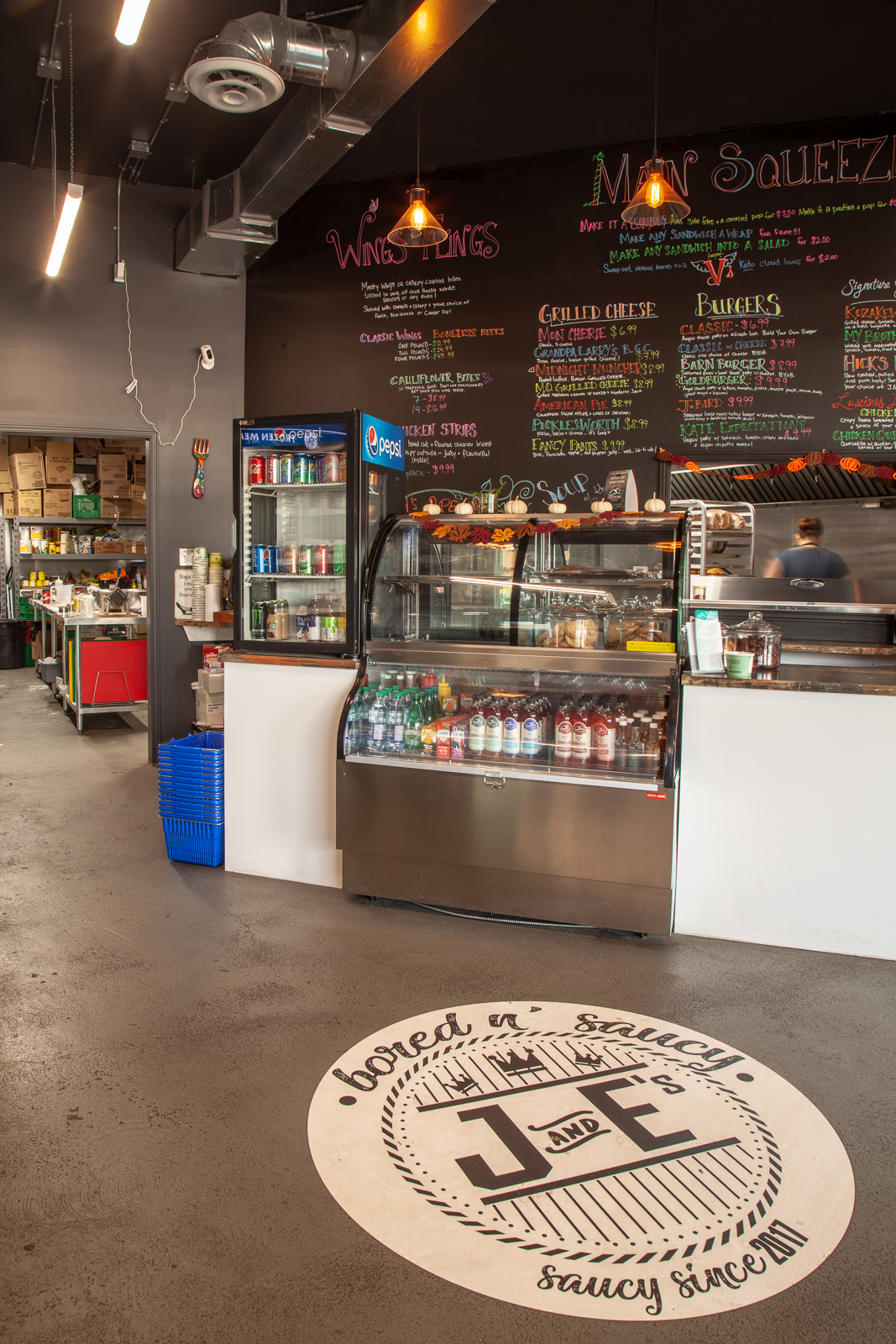
Before or after a day on the trails, grab a bite at J&E's Bored N' Saucy — their loaded poutine is the perfect post-adventure fuel.
After a day of paddling or hiking, you want food with substance and flavour. The restaurants along Petawawa Boulevard and in nearby Pembroke cover a range of cuisines and price points, and several have become go-to spots for outdoor enthusiasts who want a proper meal after burning a few thousand calories on the river or trail.
Cap off an outdoor day with a locally brewed pint at Dog House Brewing Company, where the taproom feels like an extension of the trails.
There is something deeply satisfying about ending an outdoor day with a well-made craft beer, and the Ottawa Valley's brewing scene has matured to the point where you do not have to drive to Ottawa to find one. Taprooms in the area serve as natural gathering spots for the outdoor community -- the kind of places where you end up swapping stories about the rapid you ran, the fish you caught, or the trail you discovered, all while working through a flight of locally brewed beer.
For a sit-down meal after a day on the water, Madameek Restaurant offers hearty Lebanese dishes perfect for a hungry paddler. 613-687-6872
For something more substantial, the local dining scene includes options that go well beyond standard pub fare. From Mediterranean and Middle Eastern flavours to classic Canadian comfort food, you can find a meal that matches whatever your adventure appetite demands. Whether you are a solo paddler grabbing a quick bite or a group of friends celebrating a day on the river, the Petawawa area has you covered.
For a full rundown of local restaurants and shops, see our Community Guide or browse the business directory for current listings.